Should Running Shoes Be Flat Or Cushioned?

Should Running Shoes Be Flat Or Cushioned?

01/02/2024 Bretta Riches 0

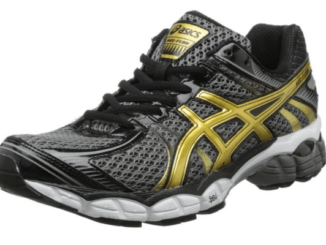
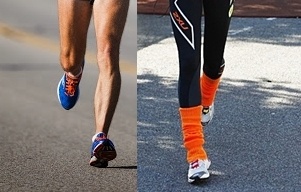
Consistent with the ongoing research on impact mechanics in runners, cushioned running shoes have very little, if not, no clinical promise because they cause dramatic increases in net impact forces and other physical stressors, such as over-pronation, which means the foot shifts into extreme positions during stance, which transfers more bending and twisting strain up the Achilles, through the shins and the knee. The fit also counters the normal shape of the foot, while the thick underfoot compressible materials undermind adequate foot strike control, while leading to an overall loss of foot strength if dependence on these shoes continues as compared with flat, more ‘barefoot-like’ shoes.

CamelBAK

What Foot Strike Causes Shin Splints?

What Foot Strike Causes Shin Splints?

29/01/2024 Bretta Riches 0

Because of the high injury rates, many injured heel strike runners are looking to forefoot running because consistent with the research, forefoot running naturally engages additional mechanical outputs that do a better job at sustainably reducing net forces not just on the shins, but also the knees, hips and lower back than heel strike running.

Heel Strike Running Causes Toe Injury

Heel Strike Running Causes Toe Injury

26/01/2024 Bretta Riches 4

The mechanical components engaged by heel striking when running was found to increase bending moments beyond tolerance on the toes, while plantar pressure in the forefoot raised to pain-inducing levels. Another bad outcome from this was increases in dorsal bending moments and compression strains placed additional burdens on the foot, as compared with forefoot running, which showed a net-reduction in injurious foot loading.

2 Major Ways Heel Strike Running Causes Major Injury

2 Major Ways Heel Strike Running Causes Major Injury

22/01/2024 Bretta Riches 1

There are two mechanical components of heel strike running that were consistently found to produce an array of impacts that reach a level of an injury of which thick cushioned running shoes were also found to provide no benefit for impact reduction. In order to get more positive results in running, heel striking must be avoided altogether, and a forefoot strike must be employed because its the only method proven to reliably reduce brake and loading time, while making the entire system more energy efficient.

Do Running Shoes Help Prevent Injury? NO!

Do Running Shoes Help Prevent Injury? NO!

19/01/2024 Bretta Riches 0

Thick cushioned running shoes do not pay off for injury prevention for heel strike runners because pioneering studies have found the same basic conclusion in that thick cushioned running shoes reduces the burst in collisional impact by only 10%! if cushioned running shoes can’t reduce all the impact, how can they prevent all injuries? In order to ensure low impact running, you must avoid heel striking at all costs, and instead, adopt a forefoot strike because its the only running style that results in a contact with the ground that’s so brief that certain impact variables are either not fully produced, or produced at all!

1 6 7 8 9 10 30