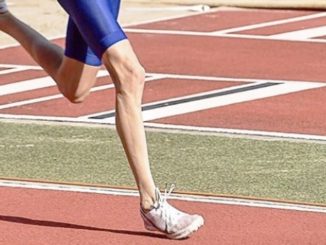
Why Forefoot Running Is Better for Your Hips
Forefoot running is better for your hips because it engages certain stride parameters that directly reduces stress on the hip while loading more energy through the hip vs heel strike running.

Forefoot running is better for your hips because it engages certain stride parameters that directly reduces stress on the hip while loading more energy through the hip vs heel strike running.
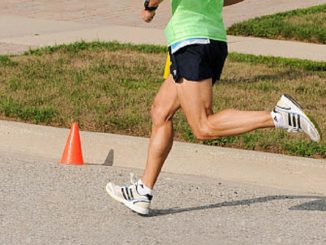
High impact running comes at an economical cost. By impact standards, heel strike running is a significantly more force-intensive style of running than forefoot running whereby according to some research, high impact demands more vigorous muscle tuning response to attenuate shock (a process that requires energy). Simply put, high impacts (like in heel strike running) drains energy from the system whereas stark decreases in impact (like in forefoot running) enhances running economy.
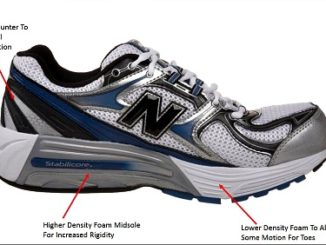
One consistent consequence of stability running shoes with thick cushioning is that they don’t always work in restraining or reducing over-pronation (abnormal foot motions), nor are they fully effective at reducing peak shear stress and other forms of musculoskeletal loading in heel strike runners. However, a growing field of research is showing that switching from heel strike to forefoot strike running is enough to enable a more full reduction of net forces on the shins and knees.
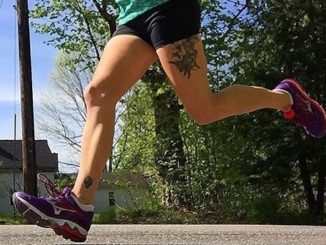
One of the many reasons why heel striking is bad for running is that its the only cause of a painful lower leg condition called chronic compartment exertional compartment sydrnome. This condition is literally cured by landing with a forefoot strike when running!
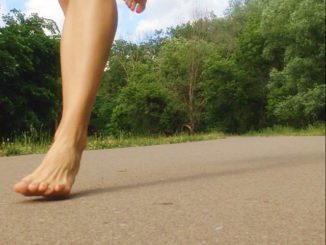
When it comes to preventing and fully treating running-related chronic lower leg pain, the evidence has beome so compelling that forefoot running gets the biggest stamp of approval for successfully resolving the painful condition as compared with heel strike running.
Copyright © 2026 | WordPress Theme by MH Themes